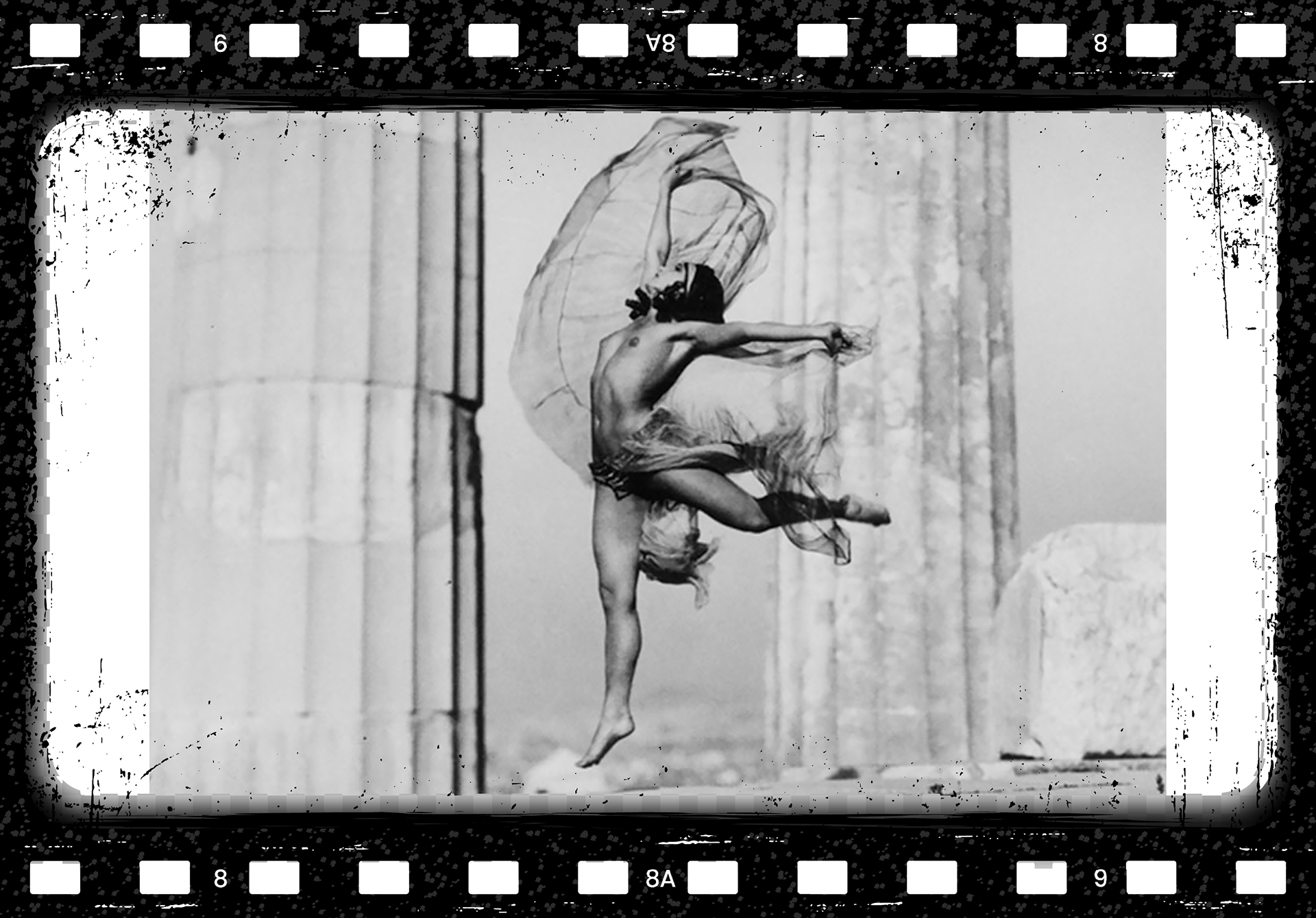
Unlike later enlargements, contact prints carried a sense of proportion and honesty. The image on paper was the exact same size as the negative — no distortion, no optical intervention. Every scratch, every grain of emulsion, every brush mark from coating the paper was preserved.
This intimacy shaped the aesthetic of early photography. Julia Margaret Cameron’s portraits, Edward Weston’s shells and nudes, Paul Strand’s abstractions — all share the quiet authority of the contact print. The format forced photographers to work slowly, to compose with deliberation, and to accept the boundaries of their medium.
Even as enlargers became widespread in the 20th century, many artists remained faithful to contact printing. Weston described his 8''×10'' contact prints as “the truest expression of seeing,” insisting that the print’s scale carried an honesty that no enlargement could improve. Each print was not a reproduction but an artifact — a one-to-one correspondence between vision and surface.